





Brookville Auto Group Chevrolet

Blog / Advantage Chevrolet Service

Tips for Maintaining Your Chevrolet’s Brakes

Chevrolet’s Brakes

The brakes on your Chevrolet are one of the most important safety features. Keeping them in good condition ensures that your vehicle is always ready to stop quickly and safely. Brakes that are well-maintained can help prevent accidents and provide peace of mind while driving.

Understanding how to care for your brakes is essential. By being aware of common signs of wear and knowing how to perform basic maintenance, you can keep your brakes functioning properly. 

Recognizing Signs of Brake Wear

Catching brake issues early can prevent bigger problems down the road. One of the first signs of brake wear is unusual noises. If you hear squeaking or grinding when you press the brake pedal, it might be time to check your brakes. These noises are your car's way of telling you something needs attention.

Vibrations are another indicator of brake problems. If you feel a pulsating sensation in the pedal or steering wheel, it means the brakes aren’t working as smoothly as they should. This can happen when brake pads are worn unevenly or when rotors are warped.

Pay attention to the dashboard brake light alert. This light usually means there’s a problem with the braking system that needs checking. While it might be tempting to ignore it, doing so can lead to further wear or even brake failure.

There are other signs to watch for:

  • Reduced Responsiveness: If the brakes feel less effective or the pedal sinks lower than usual.
  • Pulling: If your car pulls to one side when braking.
  • Fluid Leaks: If you notice a small puddle of brake fluid under your vehicle.

These clues help you identify when your brakes need service, keeping your Chevrolet safe on the road.

Essential Brake Maintenance Tips

Regular maintenance keeps your brakes performing at their best. Start with routine inspections. Check your brake components for wear and damage. Look at the brake pads, rotors, and calipers to ensure they’re in good shape. Cleaning these parts helps remove debris that could cause wear.

Brake fluid is vital for smooth operation. Regularly check the brake fluid level and replace it as needed. Over time, brake fluid can absorb moisture, leading to a spongy brake pedal and reduced braking performance. Keeping the fluid at the proper level prevents these issues.

Extending the life of your brake pads can save you time and money. Here are some handy tips:

  • Avoid Aggressive Braking: Brake gently and anticipate stops instead of slamming on the brakes.
  • Coast Before Braking: Let off the gas pedal and slow down naturally before hitting the brakes.
  • Don’t Ride the Brakes: Keep your foot off the pedal when it’s not needed.

Following these tips ensures your brakes stay in top condition, giving you smoother stops and a safer ride. Regular care helps prevent costly repairs and keeps your Chevrolet's braking system reliable.

Understanding Different Brake Systems

Chevrolet vehicles might have either disc brakes or drum brakes. Disc brakes are the most common type, known for their ability to stop a vehicle quickly and their effectiveness in wet conditions. They use a rotor and caliper system to create friction and stop the car. Drum brakes, though less common, are still used in some vehicles, particularly on rear wheels. They consist of a drum that rotates with the wheel and shoes that press against the drum to create stopping power.

Anti-lock braking systems (ABS) add another layer of safety and efficiency to braking. ABS prevents wheels from locking up and skidding during hard stops. This system helps maintain steering control and is particularly useful in slippery conditions. Understanding how these systems function can help you identify any issues that may arise.

Maintenance for different brake types varies. For disc brakes, regularly check the condition of the rotors and pads. For drum brakes, ensure that the drums and shoes are free of excessive wear. Here are some tips to maintain your brakes:

  • Keep Brake Components Clean: Remove any dirt or debris.
  • Check for Wear: Inspect pads, rotors, drums, and shoes.
  • Monitor ABS Alerts: Don’t ignore any warning lights related to the ABS.

By knowing the nuances of each system, you can ensure that your brakes remain reliable and effective.

Leveraging Technology and Professional Services

Technology has made monitoring and maintaining brake health easier. Diagnostic tools are available to assess the condition of your brake system. These tools can detect issues early, even before you notice symptoms, allowing you to address problems promptly.

Professional services play a crucial role in keeping your brakes in top shape. Scheduled brake testing and tune-ups by certified technicians provide an expert perspective. During these check-ups, professionals can detect issues that might go unnoticed in a regular home inspection. They can also ensure that all components work harmoniously, preventing costly damage in the long run.

Consider these advantages:

  • Accurate Diagnostics: Professional tools provide precise information.
  • Expert Inspection: Technicians identify potential issues early.
  • Reliable Repairs: Quality service ensures long-lasting brake performance.

Regular professional service is a smart investment in your vehicle’s health, providing peace of mind and a safer driving experience.

Conclusion

Caring for your Chevrolet’s brakes involves a combination of awareness, regular maintenance, and professional support. Recognizing signs of wear, understanding different brake systems, and leveraging modern technology all contribute to keeping your vehicle safe and efficient on the road. Regular attention to brake health not only preserves the functionality of your brakes but also safeguards you and your passengers.

If you want to ensure your Chevrolet’s brakes are in perfect working condition, schedule a service appointment with Advantage Chevrolet. Our expert technicians are ready to help you with all your brake maintenance needs, ensuring that your vehicle remains safe and reliable. Come visit us and experience quality care and excellent Chevy car service!
Posted in:

Related Posts

S231196ll_ADCB_JUN25_SRVC_PR_FB_1080-x-1080

Advantage Chevrolet of Bay Ridge Launches Full-Service GM-Certified Department for All GM Brands

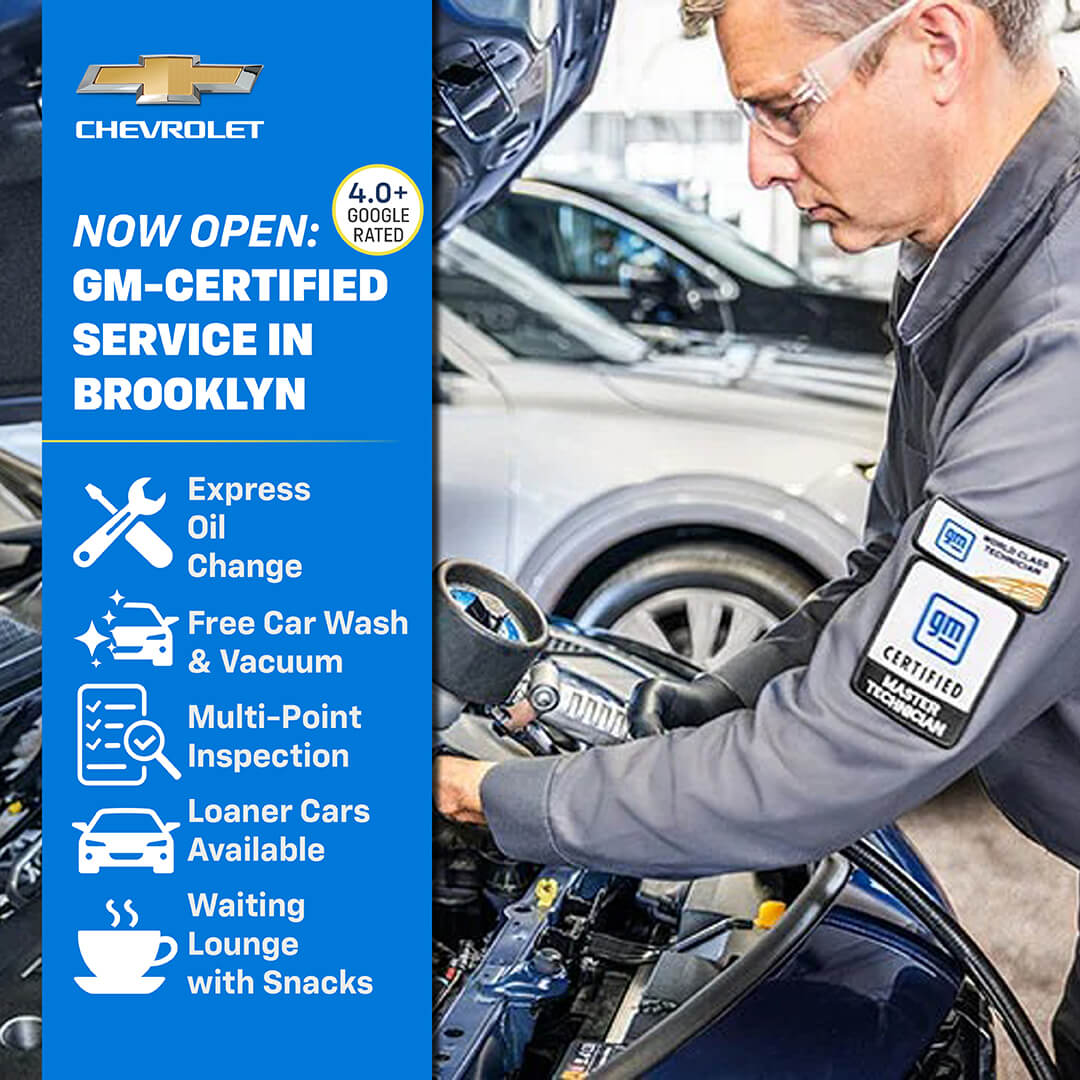
Advantage Chevrolet of Bay Ridge is proud to announce the official launch of its state-of-the-art GM Service Department, now open and fully equipped to service all General Motors brands. Chevrolet, GMC, Buick, and Cadillac, right here in the heart of Brooklyn. Staffed by GM-certified Master Technicians, the new department is committed to delivering premium service backed by expert care and convenience. Every vehicle receives white glove treatment, including a complimentary car wash and vacuum, along with a free multi-point inspection with every service. “We’re proud to offer Brooklyn drivers a GM-certified experience that’s as efficient as it is exceptional,” said Peter Zorzy, General Manager at Advantage Chevrolet. “From our express oil change service to our indoor drive-in facility, every detail was designed with the customer in mind.” Key Service Features Include: Express Oil Change in One Hour or Less Open Monday-Friday, 7:30 AM - 5:30 PM; Saturday, 8 AM - 2 PM Spacious Indoor Service Drive - Just Drive Right In! Complimentary Car Wash, Vacuum & Multi-Point Inspection with Every Service Comfortable Waiting Area with Coffee & Snacks Loaner Cars Available Upon Request Over 1,300 Google Reviews with a 4-Star+ Rating With a focus on convenience, comfort, and confidence, Advantage Chevy’s service experience redefines what customers can expect from their neighborhood dealership. To schedule your appointment or learn more, visit AdvantageChevy.net or call (347) 586-0081 About Advantage Chevrolet of Bay Ridge: Located in the heart of Brooklyn, Advantage Chevrolet has proudly served the community with exceptional vehicles, customer care, and now world-class GM-certified service. Whether you're driving a Chevy, Buick, GMC, or Cadillac, our team is here to keep you moving with confidence.

chevrolet maintenance

Why Your Chevrolet Needs Regular Check-Ups

Regular check-ups are the key to keeping your Chevrolet in top shape. These routine visits help ensure that every part of your vehicle is functioning correctly and efficiently. A well-maintained car not only performs better, but it can also prevent bigger, costlier problems down the road. Taking the time for regular inspections and services extends the life of your Chevy and keeps it running like new. Understanding the Importance of Regular Check-Ups Regular check-ups for your Chevrolet play a crucial role in keeping your vehicle running smoothly. Routine maintenance helps identify and address minor issues before they turn into major problems. By keeping your car in good shape, you enhance its performance and extend its lifespan. Regular check-ups ensure that key systems are functioning as they should, which means better fuel efficiency and a smoother driving experience. One of the biggest advantages of regular maintenance is cost savings. Preventive measures taken during routine checks can help avoid expensive repairs later. For example, replacing a worn-out brake pad is much cheaper than dealing with damages to the rotor or caliper. With regular check-ups, you spot issues early, saving both time and money down the road. Safety on the road is another critical reason for regular vehicle maintenance. Well-maintained brakes, tires, and other essential systems reduce the risk of accidents. A careful check-up ensures all safety devices are working, providing peace of mind for you and your passengers. These check-ups offer additional benefits: Enhanced Reliability: Minimize the chances of unexpected breakdowns. Optimized Performance: Keep your car running at its best. Resale Value: A well-maintained vehicle often has a higher value. With a focus on these aspects, regular check-ups are an essential part of owning a Chevrolet, keeping it reliable and safe for every journey. Key Components Checked During a Service When you take your Chevrolet in for a service, mechanics inspect several key components to ensure everything is in order. The service typically covers essential systems that are vital for your vehicle's performance and safety. One of the primary areas of focus is the braking system. Technicians check brake pads, rotors, and fluid levels to ensure safe and effective stopping. Tires are another critical component. Proper tire maintenance involves checking the tread depth and ensuring the tires are inflated correctly. Well-maintained tires contribute to better fuel efficiency, improved handling, and a smoother ride. During a service, fluid levels are also monitored and topped off if necessary. This includes engine oil, transmission fluid, coolant, and brake fluid, each playing a vital role in your car’s performance. Here’s a breakdown of some key checks included in a service: Brakes: Inspect pads, rotors, and fluid levels. Tires: Check tread depth and pressure. Fluids: Monitor and refill oil, coolant, and transmission fluid. Engine: Use diagnostics to find hidden issues. Engine diagnostics are essential for pinpointing hidden problems that might not be immediately visible. This technology can identify issues with your engine, transmission, and more, allowing for timely repairs and preventing future breakdowns. Recommended Maintenance Schedule for Chevrolet Vehicles Keeping a regular maintenance schedule is key to preserving your Chevrolet’s performance and reliability. For oil changes, a general guideline is every 3,000 to 5,000 miles, depending on your driving habits and the specific model. Regular oil changes keep the engine running smoothly and extend its life. Tire rotations are usually recommended every 6,000 to 8,000 miles to ensure even wear, promoting better handling and longer tire life. Chevrolet manuals provide specific guidelines for maintenance, offering a comprehensive timeline for services. Adhering to these manufacturer recommendations is essential. Regular inspections should include examining brake systems, checking fluid levels, and testing battery strength. By following these check points, you help prevent unexpected breakdowns and costly repairs. Driving conditions can impact the frequency of maintenance. If you regularly drive in harsh conditions or use your vehicle for towing, you might need to adjust the schedule. Heavy usage can require more frequent servicing to maintain optimal vehicle health. Monitoring how your car responds to various conditions helps you adapt your maintenance schedule effectively. The importance of following guidelines includes: Longevity: Extend the life of your vehicle. Efficiency: Ensure the best performance. Safety: Maintain all safety features. A well-planned maintenance schedule helps keep your Chevrolet running efficiently, reducing wear and enhancing overall driving satisfaction. Recognizing Signs That Your Chevy Needs a Check-Up Understanding the signs that your vehicle requires a check-up can prevent minor issues from turning into major problems. One of the earliest indicators is unusual noises coming from the engine, brakes, or exhaust. These sounds often suggest that a component is wearing out and needs attention. Another common sign is decreased fuel efficiency. If you notice you’re filling up more often without any obvious reason, it might be time to check the engine and other key systems. This could point to an issue affecting the vehicle’s performance, such as a faulty sensor or dirty air filter. Dashboard warning lights serve as alerts for underlying issues. Monitoring these lights and addressing them promptly can save you from more significant repairs. Pay attention to the check engine light, ABS light, and other indicators that suggest something might not be working correctly. Here are signs to watch for: Strange noises: Listen for any unusual sounds. Reduced efficiency: Monitor fuel usage. Warning lights: Address dashboard alerts immediately. These signs should not be ignored, as they are essential in maintaining your vehicle's safety and performance. Regular check-ups help identify these problems early, ensuring your Chevy is always ready for the road ahead. Conclusion Regular check-ups for your Chevrolet are vital to keeping it in excellent condition. By adhering to a consistent maintenance schedule and understanding the signs of potential issues, you enhance your vehicle's performance and safety. Whether it’s through regular oil changes, tire rotations, or engine diagnostics, each aspect of maintenance plays a role in your car’s longevity. If you're ready to give your Chevrolet the care it deserves, schedule an appointment with Advantage Chevrolet. Our skilled technicians are equipped to handle all your maintenance needs, ensuring your vehicle remains in peak condition. Experience the quality Chevy service in Brooklyn that sets us apart and keeps your car performing its best!

chevrolet maintenance

Why Regular Vehicle Inspections Matter for Your Chevrolet

Regular vehicle inspections are a key part of keeping your Chevrolet in top-notch condition. They help you catch minor problems before they turn into major issues, ensuring your car remains safe and dependable. By staying on top of inspections, you not only protect yourself but also those who share the road with you. Enhancing Safety and Reliability Regular inspections play a vital role in keeping your Chevrolet safe and reliable. By identifying small issues early, you can tackle them before they turn into big problems. For example, a loose belt or a tiny oil leak might not seem like a big deal initially, but neglecting these could lead to engine damage. Regular checks make sure your vehicle stays in great shape, reducing the risk of sudden breakdowns. Keeping your vehicle in top performance means your Chevy runs smoothly, delivering the power and efficiency you expect. Routine inspections of your brakes, tires, and other essential components ensure they are functioning properly. A well-maintained vehicle responds better in emergency situations, giving you confidence on the road. This helps in preventing accidents that might occur due to faulty systems. Inspections don't just find problems—they also check if everything is working right. This way, you’re always driving a car that performs reliably under various conditions. By making sure each part of your car is in good order, you can prevent unexpected mechanical failures, enhancing both safety and driving pleasure. Preserving Vehicle Value Keeping thorough inspection records helps preserve your vehicle's value. When buying or selling a Chevrolet, a documented maintenance history proves that the vehicle has been well cared for, making it more appealing to buyers. Each recorded inspection tells a story of proper maintenance, reassuring potential owners about the car's condition. Routine inspections can positively impact resale value. A car that has been regularly inspected and maintained tends to suffer less wear and tear, meaning it stays in good condition longer. Prospective buyers often look for cars with a proven track record of care, which can help you fetch a better price when it’s time to sell or trade. In addition to boosting resale value, regular inspections lead to long-term cost savings. By addressing minor issues promptly, you prevent them from becoming costly repairs. A well-maintained vehicle also runs more efficiently, saving money on fuel over time. These savings add up, making routine inspections a smart investment for any Chevrolet owner aiming to maintain their car’s value. Environmental Impact Regular vehicle inspections contribute positively to the environment. By sticking to a maintenance schedule, you can significantly reduce emissions from your Chevrolet. Inspections help ensure systems like the catalytic converter and oxygen sensors function properly, keeping harmful pollutants in check. Preventing excess emissions is good for the planet and aligns with environmental laws and standards. Checking the exhaust system during inspections is crucial. A compromised exhaust can lead to harmful leaks and increased pollution. Rust or damage can affect the way emissions are filtered, so regular checks keep this system efficient. Repairing or replacing faulty parts ensures your vehicle runs cleaner. Fuel efficiency improvements result from routine checks, which can lead to lower emissions. When your engine runs smoothly, it uses fuel more efficiently, which reduces your carbon footprint. Understanding the Inspection Process Understanding what happens during a vehicle inspection helps owners stay informed. Skilled technicians examine key components, including brakes, tires, steering, and lights. Fluid levels and filters are checked, and the engine is inspected for any signs of trouble. A comprehensive inspection covers all major systems to ensure everything works as it should. The frequency of inspections depends on the vehicle's age and usage. Typically, having your Chevrolet inspected every year or every 10,000 to 15,000 miles is recommended. More frequent checks might be necessary if you drive under harsh conditions. When you take your car for an inspection, expect a detailed report. This report outlines any issues found, along with recommended fixes. It gives you a complete picture of your vehicle's health. Staying regular with inspections helps maintain your car's longevity and performance. Conclusion Regular vehicle inspections are vital for maintaining the health and value of your Chevrolet. They enhance safety by catching small issues early, preserve the car’s value by maintaining a detailed service history, and contribute to a cleaner environment by ensuring efficient performance. Are you ready to give your Chevrolet the care it deserves? Schedule your next Chevy service inspection with Advantage Chevrolet, where our expert team will ensure your vehicle is performing at its best. Whether for routine maintenance or addressing specific concerns, we’re here to help your car stay in top shape. Visit us today, and let’s get your Chevy running smoothly!